Saudi Arabia is entering a new phase of energy development in which renewable power is becoming an increasingly important part of the national energy mix. For businesses, property owners, farms, and industrial operators, this creates a wider question than simply whether to install solar panels: which renewable energy solution fits the site’s energy needs, budget, and long-term plans?
The right answer depends on the application. A successful project begins with understanding how energy is used and then selecting technology that can deliver practical value.
Why Renewable Energy Matters in Saudi Arabia
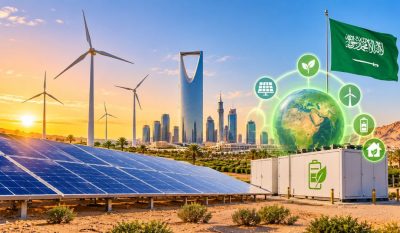
Saudi Arabia has made renewable energy a major part of its Vision 2030 agenda. The National Renewable Energy Program supports the development of renewable generation, while government sources describe a long-term goal of increasing renewable energy’s share of electricity generation.
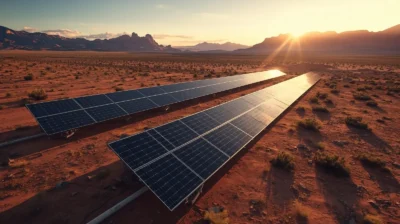
The Kingdom’s strong solar resource gives solar power a natural role in this transition. Large projects are already contributing to the growth of renewable capacity, while businesses and property owners can explore distributed solutions for their own operations.
What Are Renewable Energy Solutions?
Renewable energy solutions can include technologies that generate useful energy from naturally replenished resources. In the Saudi market, solar energy is particularly relevant because of the country’s high solar resource.
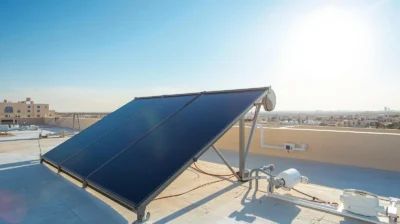
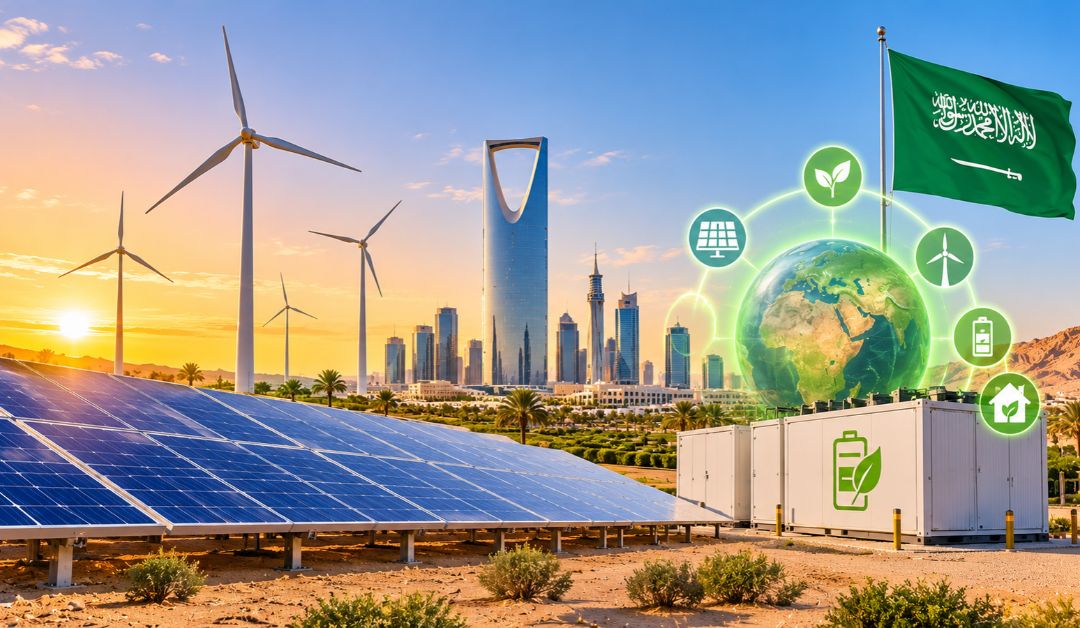
Depending on the project, renewable solutions can include grid-connected solar, off-grid solar, solar water pumping, solar heating, and related energy-efficiency or storage technologies.
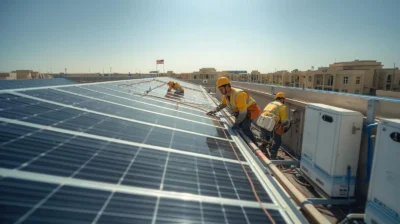
Narsect Renewable provides services covering on-grid and off-grid solar systems, solar water pumping, solar heater systems, engineering, and maintenance and upgrades.
Sustainable Energy Solutions Should Start With the Business Need
A common mistake is choosing technology before defining the problem.
A farm may need a reliable water supply rather than electricity for a building. A warehouse may need to reduce daytime electricity consumption. A remote facility may need independent power. A hotel may have significant hot-water demand.
Each of these requirements can lead to a different solution.
A professional assessment should therefore review energy consumption, operating hours, site conditions, available space, existing infrastructure, and future expansion. The technology should then be selected around those requirements.
Solar Solutions for Different Applications
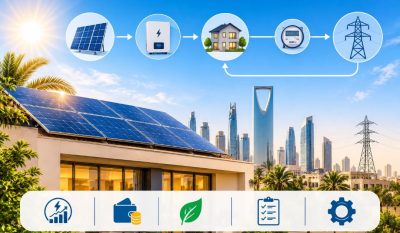
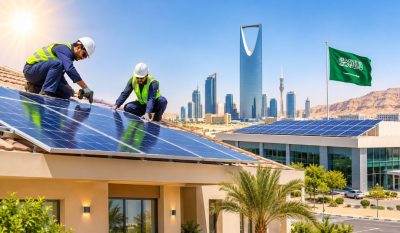
Homes: Residential customers can explore solar systems designed around household electricity consumption or hot-water requirements.
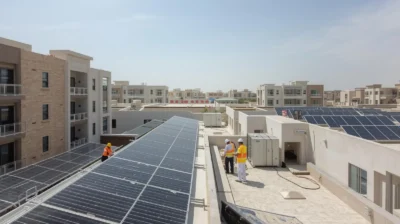
Commercial properties: Offices, retail facilities, warehouses, and hotels may use solar generation to offset part of their electricity consumption.
Industrial facilities: Larger operations may require detailed engineering, higher system capacity, monitoring, and careful electrical integration.
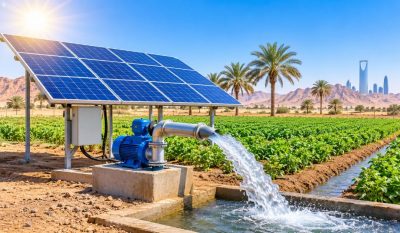
Agriculture: Solar water pumping can help power irrigation and water distribution systems, particularly where grid access is limited.
Remote sites: Off-grid systems can provide independent electricity using solar panels, batteries, and power-conversion equipment.
What Makes a Sustainable Energy Project Successful?
Sustainability should not come at the expense of reliability. A project must work technically and make sense financially.
That means looking at equipment quality, system sizing, expected energy production, maintenance, operating conditions, warranties, and future requirements.
Saudi Arabia’s environmental conditions also matter. Heat, dust, and outdoor exposure can affect equipment and performance. Maintenance and monitoring should therefore be included in the project plan from the beginning.
Why Professional Design Matters
Engineering helps determine the correct system configuration. Simulation and layout tools can help predict performance and identify design issues before construction.
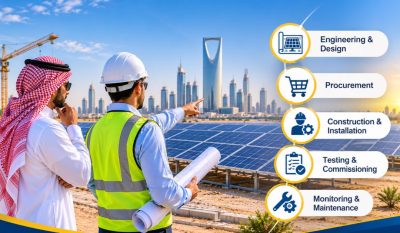
Narsect Renewable’s engineering service includes site assessment, feasibility evaluation, concept design, technical calculations, software simulation, layouts, and bill-of-material preparation.
How to Choose a Renewable Energy Company in Saudi Arabia
Look for a provider that can explain the technology in business terms. The company should understand your energy requirements, provide a clear design, specify the equipment, explain expected performance, and offer support after installation.
It is also useful to compare providers based on engineering capability rather than only equipment prices. A slightly different system design can have a major impact on long-term performance and maintenance.
Plan for the Long Term
Renewable energy is a long-term investment. The best project is not necessarily the one with the lowest initial cost; it is the one that provides dependable performance and a sensible return over its operating life.
If you are exploring renewable energy solutions or sustainable energy solutions in Saudi Arabia, Narsect Renewable can assess your requirements and recommend an approach based on the property’s energy use and project objectives.
Frequently Asked Questions
What are renewable energy solutions?
They are systems and technologies that use naturally replenished energy sources, such as solar power, to meet electricity, heating, pumping, or other energy requirements.
What renewable energy solution is best for Saudi Arabia?
Solar energy is particularly relevant because of the Kingdom’s strong solar resource, but the best solution depends on the property’s energy requirements and application.
Can renewable energy reduce business energy costs?
A properly designed renewable-energy system can reduce dependence on conventional energy, but actual savings depend on system size, consumption, project cost, operating conditions, and regulations.
Are sustainable energy solutions suitable for farms?
Yes. Solar water pumping and other solar applications can support agricultural operations where the system is properly designed.
How should I start a renewable energy project?
Start with an assessment of energy consumption, operating requirements, site conditions, available space, existing infrastructure, and future needs. A professional engineering assessment can then identify suitable options.