Off-grid solar has an appeal that is partly practical and partly emotional. Complete independence from the utility sounds excellent. But an off-grid solar system is a fundamentally different engineering problem from a grid-tied one, and for most urban Saudi properties it is the wrong answer to a reasonable question. Where it genuinely fits, it fits very well indeed.
What is an off-grid solar system and how does it work?
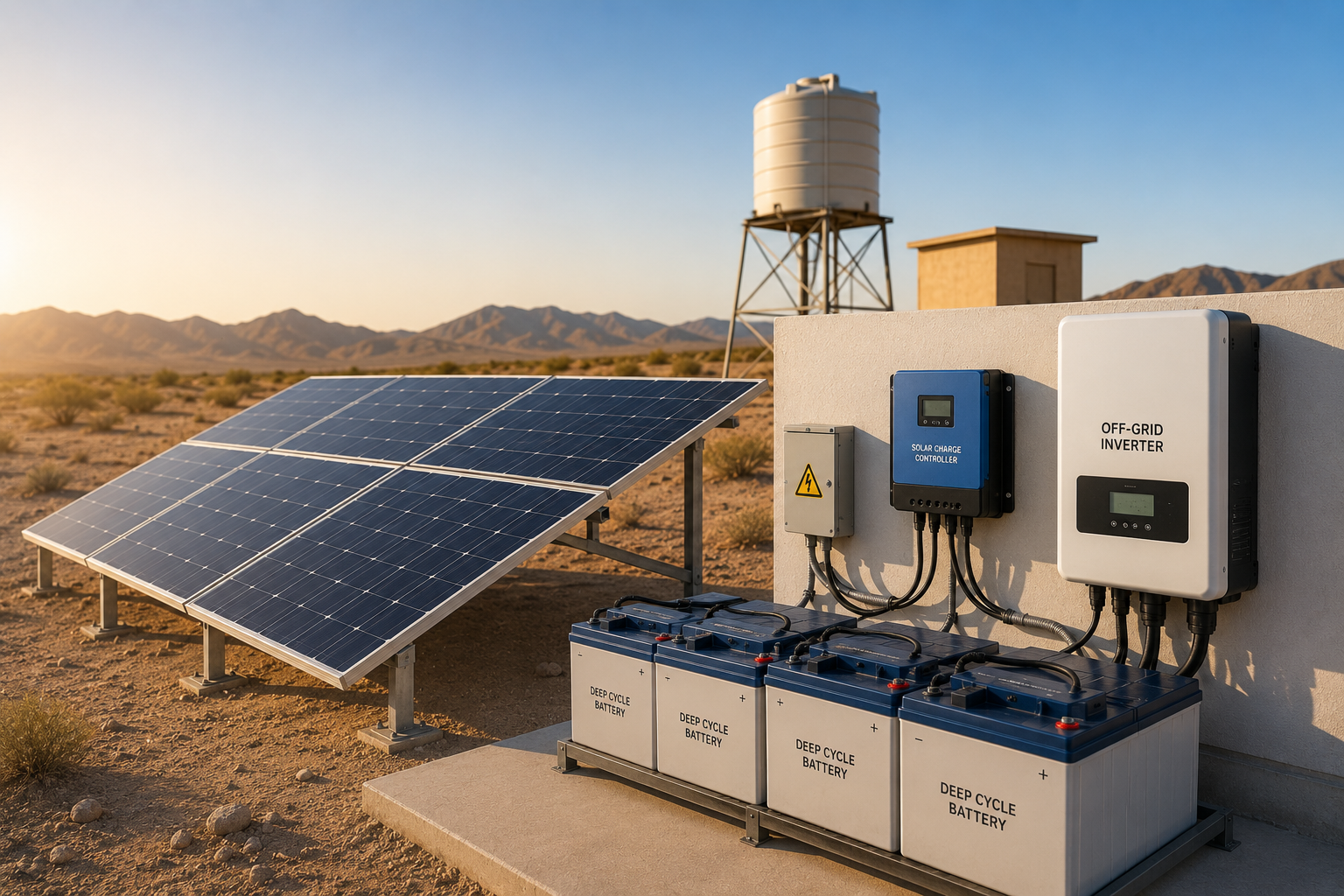
An off-grid solar system generates, stores and supplies all the electricity a site uses, with no connection to the national network. It has four core components:
- A PV array sized for the worst generating month, not the average
- A charge controller managing power into the batteries
- A battery bank sized for night-time use and consecutive low-sun days
- An inverter converting stored DC into usable AC
- Some designs add a backup generator for extended low-generation periods. The critical difference from grid-tied is that there is no infinite backstop behind you. If the batteries are flat and the sun is not out, the lights go off. Every design decision follows from that.
Where off-grid genuinely makes sense
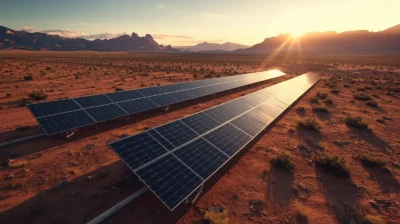
Remote sites with no grid access — desert facilities, farms, well sites, telecom towers
Locations where extending a distribution line costs more than the entire system
Sites currently running on diesel, where fuel and logistics dominate operating cost
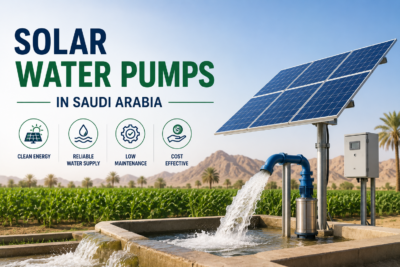
Water pumping, which conveniently needs most of its energy while the sun is up
Temporary, mobile or phased installations
In each case the comparison is not solar against the grid tariff. It is solar against diesel, or solar against building kilometres of line.
Is off-grid solar cheaper than a diesel generator?
Across the asset life, usually yes, but the cost structure is inverted. Diesel is cheap to install and expensive to run, once you count fuel, delivery to remote locations, servicing and downtime. An off-grid solar system is expensive to install and cheap to run.
The crossover point depends on how remote the site is and what fuel logistics genuinely cost. Where a tanker makes a long trip to reach you, payback is often quick. Where fuel is close and the load is intermittent, it can be slow. This calculation is worth doing properly against real consumption records rather than assumed figures.
The battery question
Batteries are the largest cost and the shortest-lived component in any off-grid solar system. Sizing them is a trade-off between autonomy and budget: how many consecutive poor-generation days must the system carry without intervention?
Two factors drive lifespan in this climate. The first is depth of discharge, which is a design decision. The second is temperature, which is an environmental one. Heat degrades most battery chemistries, so ventilation or active cooling of the battery enclosure is not optional here. Any design that skips thermal management is quietly shortening the most expensive part of the system.
Permitting an off-grid solar system in Saudi Arabia
Off-grid is administratively simpler than grid-connected. These systems currently require no generation licence, including at larger capacities, and approvals are comparatively straightforward. They must still comply with the technical and safety requirements of the Saudi Distribution Code. Because there is no connection agreement, no net billing and no interconnection study, the regulatory burden is materially lower than on the grid-tied route.
Narsect Renewable designs and installs off-grid and solar water pumping systems for remote industrial, agricultural and infrastructure sites across the Kingdom.
Frequently Asked Questions
How many batteries does an off-grid solar system need?
There is no standard figure, because it depends on your daily energy use in kWh, how many days of autonomy you need, and the usable depth of discharge of the chemistry chosen. The correct process is to measure or model actual daily consumption first, then size storage to it. Any supplier quoting a battery count before seeing your load profile is guessing.
Can an off-grid solar system run air conditioning?
Yes, but air conditioning is a heavy and often night-time load, which makes it one of the most expensive things to support off-grid. Inverter units, good insulation and shifting cooling toward daylight hours all reduce the storage required, sometimes dramatically.
What is the difference between off-grid and hybrid solar?
A hybrid system keeps the grid connection and adds batteries, so you get bill savings plus backup during outages. An off-grid system has no connection at all and must cover every kilowatt-hour itself. Hybrid is usually the better fit where a grid supply exists but is unreliable.
How long do off-grid batteries last?
Lifespan is driven by cycle count, depth of discharge and operating temperature rather than calendar age alone. Budget for at least one battery replacement within the life of the PV array, and treat any proposal that ignores replacement cost as incomplete.