Installing solar equipment is a long-term investment, so the quality of the installation matters from the first day. A properly designed and installed system should fit the property’s energy needs, use suitable equipment, meet electrical and structural requirements, and remain practical to maintain.
For homeowners and businesses considering solar panel installation in Saudi Arabia, the right decision starts before the first panel reaches the roof.
What Does Solar Installation Involve?
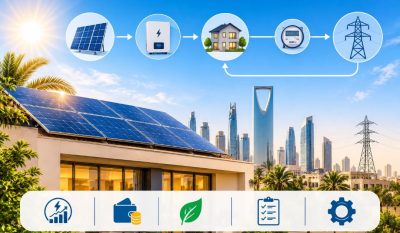
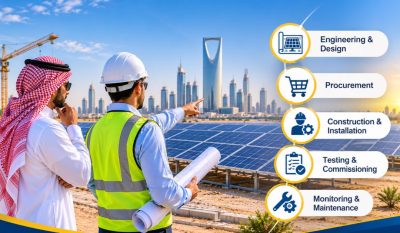
Solar installation is more than fixing panels to a roof. A professional project usually includes site assessment, system design, equipment selection, mounting, electrical connections, protection, testing, and commissioning.
Narsect Renewable provides solar installation services with site assessment, design and layout planning, equipment selection, installation and integration, and performance testing.
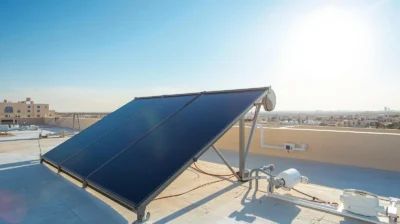
One important point is that the current Narsect service page describes a solar water-heating solution involving solar collectors, storage tanks, pumps, and plumbing. This means the exact technology and application should be confirmed during consultation rather than assuming every project is a photovoltaic electricity system.
Why Site Assessment Comes First
Before installation, the property needs to be evaluated.
Engineers should consider roof or ground structure, sunlight exposure, available space, orientation, shading, energy requirements, and the existing electrical or plumbing infrastructure depending on the type of solar system.
For electricity-generating PV systems, the assessment focuses on electrical demand and solar generation. For solar water heating, hot-water demand, storage, circulation, and plumbing become important.
A good assessment reduces the risk of selecting equipment that does not fit the property or the customer’s actual requirements.
Residential Solar Installation
Homeowners often want solar to reduce energy expenses, improve energy efficiency, or make better use of available roof space.
The system should be designed around the household’s actual consumption rather than simply installing as many panels as possible. Roof condition and future renovation plans should also be considered.
Homeowners should ask about equipment warranties, installation workmanship, monitoring, cleaning, maintenance, and how future repairs will be handled.
Commercial Solar Installation
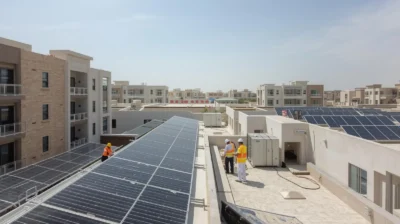
Commercial properties usually have different operating schedules and larger energy loads. Offices, warehouses, hotels, retail properties, workshops, and industrial facilities may each require a different design.
A commercial solar installation should begin with energy-use data. This allows engineers to understand when electricity is consumed and how solar generation can fit into the property’s operating pattern.
For larger projects, structural and electrical engineering become even more important, especially where roof loading, equipment access, electrical capacity, and safety systems must be carefully coordinated.
The Solar Installation Process
A professional project can follow these stages:
- Consultation and site survey: Understand the customer’s objectives and inspect the property.
- System design: Develop a solution based on energy or hot-water requirements and site conditions.
- Equipment selection: Choose compatible and appropriately sized components.
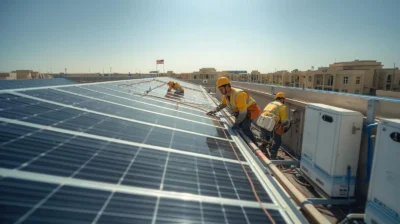
- Installation: Install the panels or collectors, mounting systems, wiring, storage, pumps, or other required equipment.
- Integration: Connect the system to the relevant electrical or plumbing infrastructure.
- Testing: Check performance, safety, connections, and system operation.
- Handover and support: Provide documentation and guidance for ongoing maintenance.
What Can Affect Installation Performance?
Several factors can affect a solar system after installation, including shading, dust, incorrect sizing, poor orientation, unsuitable equipment, damaged cables, and inadequate maintenance.
Saudi Arabia’s climate makes environmental conditions an important consideration. Dust management and equipment selection should be part of the project plan rather than an afterthought.
Choosing Solar Panel Installers
When comparing solar panel installers, look for more than installation speed. Ask about engineering, equipment, safety, testing, warranties, maintenance, and previous project experience.
The installer should also be clear about what the quotation includes. A low initial price may not represent the best value if important items such as protection, monitoring, structural work, commissioning, or after-sales support are excluded.
Frequently Asked Questions
How much does solar panel installation cost in Saudi Arabia?
The cost depends on system type, capacity, equipment, installation conditions, structural work, and project requirements. A site assessment is needed for an accurate quotation.
How long does solar installation take?
Installation time varies according to system size, site conditions, approvals, equipment availability, and the complexity of the electrical or plumbing integration.
Can solar panels be installed on any roof?
Not every roof is suitable without assessment. Structural condition, available space, orientation, shading, access, and the roof’s ability to support the installation should be checked.
What should I ask a solar installation company?
Ask about system design, equipment specifications, warranties, installation standards, testing, maintenance, expected performance, and what is included in the quotation.
Is solar installation suitable for businesses?
Yes. Commercial solar can be considered where the property has suitable space, energy demand, and project economics.