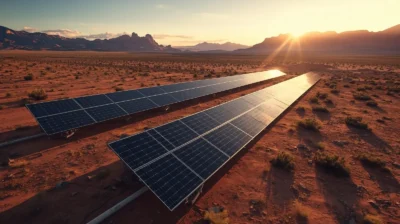
Reliable electricity is not always available where it is needed most. Farms, remote properties, telecommunications sites, field operations, and isolated facilities may be far from the utility grid or face high costs when extending conventional power infrastructure. In these situations, an off grid solar system can provide an independent source of electricity designed around the site’s actual needs.
For customers considering off grid solar installation in Saudi Arabia, the important question is not simply how many panels are required. The system must be engineered around energy demand, sunlight availability, battery storage, critical loads, and the conditions of the location.
What Is an Off Grid Solar System?
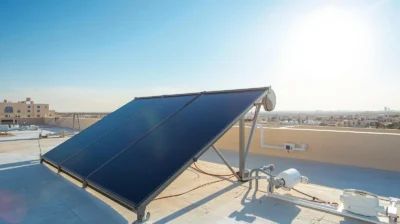
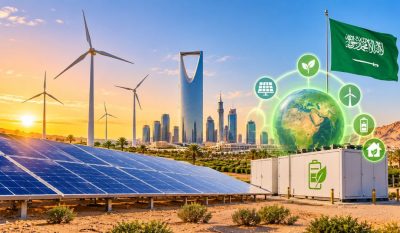
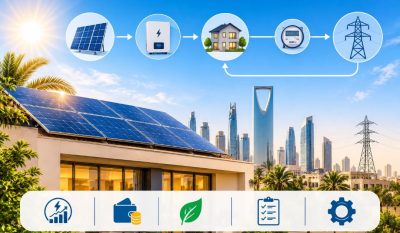
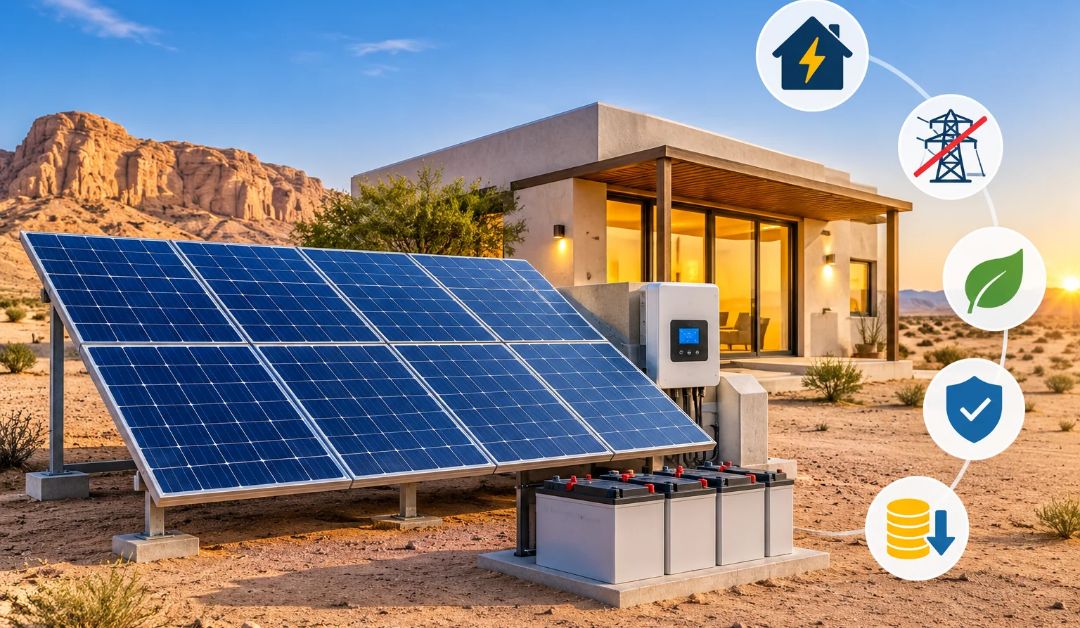
An off grid solar system operates independently from the main electricity grid. Solar panels generate electricity, while batteries can store energy for periods when solar production is lower or unavailable. An inverter converts and manages electrical power for the connected loads.
Because there is no grid to fall back on, system sizing is particularly important. The design must account for daily energy consumption, peak loads, required backup duration, and the site’s solar conditions.
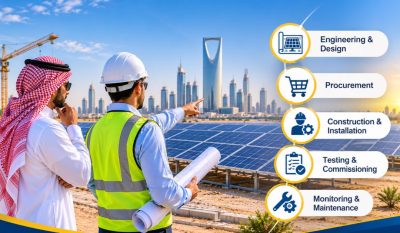
Narsect Renewable describes its off-grid service as an independent solar power solution for remote locations, with site assessment, load analysis, system design, equipment selection, installation, testing, and support.
Why Off Grid Solar Makes Sense for Remote Saudi Locations
Saudi Arabia’s large geographic area means some properties and operations are located far from convenient grid connections. In such situations, a standalone energy system can reduce dependence on diesel generators or expensive grid-extension projects.
The strongest business case comes when the system is designed around the actual operating requirements rather than an estimated panel count.
The Main Components of an Off Grid Solar System
A typical system can include:
- Solar panels for electricity generation
- Inverter for power conversion and system control
- Batteries for energy storage
- Mounting structures
- Protection and electrical equipment
- Monitoring and control equipment
- Cabling and other balance-of-system components
The right combination depends on the load and how the customer plans to use electricity.
For example, a site that needs power mainly during daylight may require a different battery strategy from a site that depends on electricity throughout the night.
How Off Grid Solar Installation Is Planned
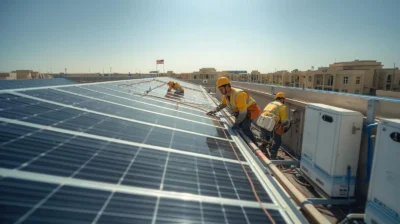
Professional off grid solar installation starts with a site survey and load analysis. The team should understand what equipment will operate, when it will operate, and which loads are essential.
The next step is system design. Panel capacity, battery capacity, inverter size, panel orientation, electrical configuration, and protection systems all need to work together.
Narsect Renewable also uses tools such as AutoCAD, SketchUp, and PVsyst for system layouts and performance simulation. This type of engineering helps turn a general solar idea into a system that can be tested and planned before installation.
Batteries Are a Critical Part of Off Grid Solar
Unlike many grid-connected systems, off-grid projects depend heavily on storage planning. Batteries provide energy when solar generation is not available, so their capacity and operating conditions matter.
A battery should not be selected only by its headline capacity. The design should consider usable capacity, expected cycles, operating temperature, charging and discharging requirements, and future energy demand.
Saudi Arabia’s high temperatures also make equipment location and thermal management important considerations.
What Should You Check Before Installing an Off Grid System?
Before requesting a quotation, prepare information about:
- Daily electricity consumption
- Maximum or peak loads
- Equipment that must operate continuously
- Required backup duration
- Water pumping or other large loads
- Available installation area
- Site access and environmental conditions
- Future expansion plans
Choosing an Off Grid Solar Company
A reliable provider should be able to explain why the proposed system is sized the way it is. Ask about battery technology, inverter capacity, expected generation, protection, monitoring, warranties, installation standards, and maintenance.
Narsect Renewable provides off-grid solutions for remote applications and can assess the site and energy requirements before designing the system.
Frequently Asked Questions
What is an off grid solar system?
It is a solar power system that operates independently of the utility grid, typically using solar panels, an inverter, batteries, and electrical protection equipment.
Is off grid solar suitable for remote areas in Saudi Arabia?
Yes. Off-grid systems can be useful where grid access is limited, costly, or unavailable, provided the system is correctly designed for the site’s energy needs.
How much battery storage does an off grid system need?
It depends on electricity consumption, peak loads, required backup time, solar production, and the battery technology selected.
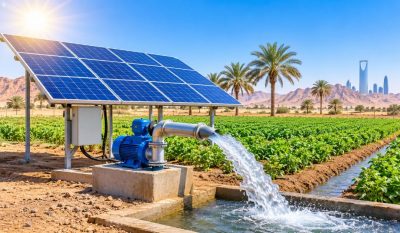
Can an off grid solar system power a farm?
It can, depending on the farm’s loads. Pumps, irrigation equipment, refrigeration, lighting, and other loads need to be assessed before sizing the system.
What is the difference between off grid and on grid solar?
An off-grid system operates independently and normally requires energy storage. An on-grid system is connected to the utility grid and can use the grid when solar production is insufficient.